Weak Bladder means weaking of the urinary bladder (a muscular sac in the pelvis, just above and behind the pubic bone which stores urine, allowing urination to be infrequent and voluntary). During urination, the bladder muscles contract, and two sphincters (valves) open to allow urine to flow out.
• When empty, the bladder is about the size and shape of a pear.
• Urine exits the bladder into the urethra, which carries urine out of the body. Because it passes through the penis, the urethra is longer in men (8 inches) than in women (1.5 inches).

Bladder Conditions
• Cystitis – Inflammation or Infection of the bladder causing acute or chronic pain or discomfort or urinary frequency or hesitancy.
• Urinary stones – If calculi (stones formed in the kidney) block urine flow to or from the bladder, they can cause severe pain.
• Bladder Cancer – A tumor in the bladder is usually discovered after blood is noticed in the urine. Cigarette Smoking and workplace chemical exposures cause most cases of bladder Cancer.
• Urinary incontinence – Involuntary urination, which may be chronic.
• Overactive bladder – The bladder muscle (detrusor) contracts involuntarily, causing some urine to leak out.
• Hematuria – Blood in the urine which may be benign, or may be caused by Infection or a serious condition like bladder Cancer.
• Urinary retention – Urine does not exit the bladder normally due to obstruction or suppressed bladder muscle activity. The bladder may swell to hold more than a quart of urine.
• Cystocele – Weakened pelvic muscles (usually from childbirth) allow the bladder to press on the vagina.
• Bed-wetting (nocturnal Enuresis)
• Dysuria (painful urination) – Pain or discomfort during urination due to Infection, irritation, or inflammation of the bladder, urethra, or external genitals.
Bladder Tests
• Urinalysis – This basic test of urine is done both routinely and when looking for problems of either the bladder or kidneys.
• Cystoscopy – A narrow tube is passed through the urethra into the bladder. A light, camera, and tools allow a doctor to diagnose and treat bladder problems.
• Urodynamic testing – A series of tests of urine flow, pressure, bladder capacity, and other measurements can help identify bladder problems.
Bladder Treatments
• Cystoscopy – A narrow tube is passed through the urethra into the bladder. A light, camera, and tools allow a doctor to diagnose and treat bladder problems.
• Surgery – Bladder Cancer generally requires surgery. Some cases of urinary incontinence and cystocoele may also be treated with surgery.
• Bladder catheterization – If urine outflow is obstructed, a catheter may be necessary to relieve pressure in the bladder.
• Anti-spasm medications – Medicines can help relieve some bladder (detrusor) overactivity and incontinence.
• Kegel exercises – Exercising the pelvic muscles (as when stopping your urine stream) may improve urinary incontinence.
Renal Disorders
1) Acute Glomerulonephritis
Its a condition resulting from glomerular injury and inflammation as a result of an immune response (usually to a streptococcal Infection).
Causes of Acute Glomerulonephritis
• Follows an immunologic injury (such as deposition of antigen anti-body complexes from the bloodstream in the glomeruli)
• Presene of conditions such as Hematuria, Edema (Dropsy), Hypertension, Proteinuria.
• Characterized by diffuse inflammatory changes in the glomeruli and clinically by the abrupt onset of Hematuria with RBC casts and mild Proteinuria 1–2 weeks after a streptococcal Infection
• Range of latent period (from onset of Infection to onset of nephritis) is 7–21 days
Risk Factors
• More common in children (peak ages 2–6 years)
• Most common in children is recent Group A beta hemolytic streptococcal Infection (such as Pharyngitis or Impetigo – only a few Strains cause this kidney problem [type 12 and type 49])
Prevention
• Early and aggressive treatment of streptococcal Infections.
2) Renal Insufficiency and Failure
Its a condition resulting from compromised renal function shown by a decrease in glomerular filtration rate (GFR) and characterized by elevated BUN and creatinine, and greatly diminished capacity for dealing with Water solute Fluctuations.
Chronic renal insufficiency occurs when serum creatinine is between 1.5–3.0 mg/dL, while chronic renal failure occurs when serum creatinine is greater than 3.0 mg/dL.
Causes of Renal Insufficiency and Failure
• Diabetes, Hypertension, glomerulonephritis, polycystic renal disease, obstructive uropathy, amyloidosis.
• Congenital anomalies, Infection, Collagen vascular disease, nephrotoxins, ischemia, acute renal failure.
• Deterioration may continue after initial insult resolves
Symptoms of Renal Insufficiency and Failure
• First sign is often simply an abnormal urinalysis (Proteinuria, Hematuria, pyuria, casts).
• Patient may be asymptomatic, but may have extra-renal symptoms of Edema (Dropsy), Hypertension, or signs of uremia
Risk Factors
• Poorly controlled chronic conditions mentioned above, especially Hypertension, Diabetes
• Chronic NSAID use, especially in patients with Hypertension
• Aging
Prevention
• Early treatment of above-mentioned conditions.
• ACE inhibitors decrease progression to renal failure in both diabetic and non-diabetic patients.
• Protein restriction may reduce progression of chronic renal disease.
• Blood pressure control in crucial.
Urological Disorders
1) Asymptomatic Bacteriuria
Significant bacterial counts in urine of a patient who has no other symptoms.
Its more common with female gender, aging, perimenopausal status, Pregnancy, structural abnormalities in tract, prostatic hypertrophy, asymptomatic calculi, indwelling urinary catheter.
Causes of Asymptomatic Bacteriuria
• Most commonly caused by Gram-negative bacteria such as E. coli
Risk Factors
• Indwelling catheters
• Pregnancy
• Diabetes Mellitus
• Spinal cord injury
Prevention
• Screen, culture, and treat asymptomatic bacteriuria in pregnant women, before TURP and other urologic procedures with mucosal bleeding, and to improve urinary incontinence in the Elderly
• Increase fluids to Flush Urinary Tract System
• Empty bladder fully and frequently to avoid stasis
2) Hematuria
The presence of red blood cells (RBCs) in the urine in microscopic (>3 RBCs/high-power field) or gross (visible to naked Eye) form.
Causes of Hematuria
• Infection: Proximal (renal) or distal (urethral) in location.
• Renal calculi, tumors, Trauma, polycystic renal disease, neoplasms in persons over 50, hydroNephrosis, renal vascular diseases.
• Most commonly seen in inflammation or Infection of Prostate or bladder, stones, and in older patients with malignancy or benign prostatic hypertrophy (BPH).
• Medications (anticoagulants-heparin, warfarin, aspirin).
• Benign prostatic hypertrophy, Prostatitis, epididymitis
• Coagulopathies, sickle cell disease
• Strenuous exercise
• Vascular glomerular abnormalities, familial nephritis (Alport syndrome)
• Granulomatous diseases (Tuberculosis)
• Connective tissue diseases (Lupus)
• Trauma
Risk Factors
• UTIs
• Renal calculi
• Environmental exposure to elements that can cause bladder Cancer
3) Urinary Tract System Infection (UTI, Cystitis)
UTI is Infection of one or more of the Urinary Tract System structures but most commonly is used to refer to Cystitis (inflammation or Infection of the bladder). If acute, usually one organism is identified; if chronic, two or more organisms may be found.
Causes of Urinary Tract System Infection
• Most commonly caused by E. coli (80%–90%), other Gram-negative bacteria from gastro-intestinal tract (E. coli, Proteus mirabilis, Klebsiella pneumoniae, Enterobacter sp.).
• A Gram-positive organism (Staphylococcus saprophyticus) is common in sexually active young women but an uncommon cause of Infection in men. If found in men it is truly a urinary pathogen.
• Symptomatic women with pyuria but without significant bacteriuria (sterile pyuria) may have Infection with Chlamydia trachomatis.
• Viruses may be associated with hemorrhagic Cystitis.
• Most UTIs (>95%) are caused by ascending Infections from urethra.
Risk Factors
• Female; sexual activity; history of prior UTI; Diabetes Mellitus or other immuno-compromised state; Pregnancy; use of spermicides, diaphragm, or oral Contraceptives
• Structural Urinary Tract System abnormalities (strictures, stones, tumors, neuropathic bladder)
• Procedures such as catheterization or recent surgery
• Aging issues: Relaxation of pelvic supporting structures, BPH or Prostatitis, incontinence of urine/stool, cognitively impaired
• Dysfunctional voiding pattern or infrequent voiding
• Chronic Constipation in children
Prevention
• In women who experience three or more UTIs, voiding immediately after intercourse and avoiding use of a diaphragm may be helpful
• Drinking Cranberry juice or taking Cranberry pills to reduce pyuria and bacteriuria
• Education of parents and children regarding hygiene, tips on toilet training; education of adolescents regarding sexual intercourse
• Low-dose oral antimicrobial prophylaxis can be considered for recurrent Infections
• Post-coital treatment with a single-dose antibiotic is an option
• In post-menopausal women, systemic or topical estrogen therapy markedly reduces the incidence of recurrent UTI
4) Acute Pyelonephritis
Acute bacterial Infection of soft tissue of the renal parenchyma and pelvis, or other portion of upper Urinary Tract System, typically producing signs and symptoms of systemic toxicity.
Causes of Acute Pyelonephritis
• E. coli organism (75%)
• Other Gram-negatives (10%–15%, P. mirabilis, K. pneumoniae, Enterobacter)
• S. aureus or saprophyticus (10%–15%)
• Most common route of Infection is ascension from bladder
Risk Factors
• Urinary Tract System abnormalities or instrumentation, stones, catheters, Diabetes or other immuno-compromised states, recent pyelonephritis, BPH, Pregnancy, fecal incontinence.
• Recent lower UTI
Prevention
• Hygiene, hydration, voiding after coitus
• Prophylactic antibiotics if infected recurrently or frequently
• Screening pregnant women for asymptomatic bacteriuria
5) Urinary Incontinence (UI)
Its a general term used to describe the involuntary loss of urine based upon Infections or other diseases (5%) or fecal incontinence (10–25%)
Causes of Urinary Incontinence (UI)
• Urge incontinence – Involuntary loss of large amount urine preceded by strong, unexpected urge may be due to aging, Parkinson’s, Stroke
• Stress incontinence – Involuntary loss of small amounts of urine associated with activities that increase intra-abdominal pressure (including Coughing, sneezing, lifting, and certain exercises), may be due to aging, pelvic floor muscle weakness (e.g., cystocele, rectocele), perineal Trauma, Prostatitis/pelvic surgery, and estrogen deficiency in women
• Overflow incontinence from chronic urine retention resulting from the chronically distended bladder receiving an additional increment of urine to exceed intravesical pressure and release small amount of urine, may be due to prostatic enlargement, anti-Cholinergics, tricyclic anti-depressants, diabetic neuropathy, outflow obstruction, Multiple Sclerosis
• Functional incontinence – Physical or cognitive disability, sedating medications that make it difficult to use the bathroom.
• Total incontinence – Loss of urine at all times in all positions, due to sphincteric inefficiency from surgery, nerve damage, tumor infiltration, or Fistula formation.
• Transient incontinence may be due to delirium, Infection, atrophic vaginitis, urethritis, or drugs (Sedatives, Hypnotics, Diuretics, opioids, Calcium channel blockers, anti-Cholinergics, anti-depressants, anti-histamines, decongestants, and other less common causes including Diabetes Mellitus or insipidus, restricted mobility, stool impaction, Depression.
Risk Factors
• Elderly, estrogen deficiency, prostatic hypertrophy, multiparity, Dementia, Diabetes, Parkinson’s, myelodysplasia, Multiple Sclerosis (MS), Spinal cord injury or lesion, Stroke, immobility, Pregnancy, use of Diuretics
Prevention
• Kegel exercises, regular pelvic examination to detect pathology early
• Avoid Constipation
• Regular rectal exam for detection of BPH and initiation of therapy before symptom presents
6) Enuresis
Persistent involuntary loss of urine in girls (older than 5) and boys (older than 6 years) most commonly occuring during sleep.
• Primary Enuresis occurs in a child who has never achieved night-time continence.
• Secondary Enuresis occurs as a return of involuntary urination after night-time continence has been achieved.
Causes of Enuresis
• Usually multifactorial appears to run in families. Has been linked to specific genetic markers (e.g., chromosome 8, 12, 13, 22, and ENUR 1 gene on chromosome 13). 77% risk if both parents had Enuresis, 44% for one parent, and 15% if neither.
• Children with night-time incontinence also have daytime problems (20%).
• Primary Enuresis may be due to food Allergies, disorders of the urinary or Nervous Systems, psychological factors, reduced bladder capacity, lack of normal increase in nocturnal antiDiuretic Hormone (ADH) secretion.
• Primary nocturnal Enuresis (PNE) is primarily an arousal disorder with failure of the CNS to recognize bladder fullness or contraction and/or failure to inhibit bladder contraction or sphincter relaxation, detrussor instability.
• Secondary Enuresis may be due to bacteriuria, UTI, inability to concentrate urine secondary to insufficient ADH or a renal tubular defect, a pelvic mass or Spinal cord malformation, meatal stenosis, ectopic ureter, glycosuria as in Diabetes Mellitus or Diabetes insipidus, possible sleep disorder.
Risk Factors
• Males > females; First born
• Family history in at least one parent
7) Urolithiasis/Nephrolithiasis
Urolithiasis are stones that occur within the Urinary Tract System, while nephrolithiasis are stones that occur within the kidney
Stones are initially formed in the proximal Urinary Tract System and then pass distally, usually arrested in the ureter and cause pain, Infection, and obstruction
Stones are mostly composed of Calcium (80%), uric acid (5%), cystine (2%), or struvite.
Causes of Urolithiasis/Nephrolithiasis
• Supersaturation of urine with stone-forming salts
• In many instances, may be a manifestation of systemic disease (e.g., Bone diseases, immobilization, Hyperthyroidism, primary hyperparaThyroidism, hypervitaminosis D, renal tubular acidosis, mild-alkali syndrome, Gout, others), but idiopathic hypercalciuria responsible for about 50% in adults.
• Up to 98% of stones <0.5 cm in diameter will pass spontaneously, especially in the distal ureter
• Calcium stones are the most common. When they cause obstruction it tends to be acute and intermittent, producing no long-term effects on renal function
• Cystine and struvite stones are more likely to be associated with renal damage
• Struvite stones form in alkaline urine; may be seen with chronic proteus species Infections
Risk Factors
• Cystinuria, genetic defects, renal tubular acidosis, low Water intake, high-Protein diet, excessive oxalate intake, sedentary lifestyle
• Middle age, Whites, family history, Obesity, Diabetes Mellitus, chronic Diarrhea, malabsorption, history of bowel or barriatric surgery, pathologic skeletal fractures, Gout, Paget’s
• Certain medications: Vitamins A, C, D, loop Diuretics, ammonium Chloride, acetazolamide, alkali, antacids
Prevention
• Adequate fluid intake
• If prone to Calcium stones, restrict Protein, Sodium, Dairy products and other oxalate rich foods
• If prone to uric acid stones, alkalinization of urine may prevent formation
Causes of Bladder Weakness
• Neurological conditions – Some diseases of the Nervous System (such as Parkinson’s Disease, Stroke, and Multiple Sclerosis) can disrupt the signal transfer between the Nervous System and the bladder, causing the bladder to stimulate a micturition reflex earlier than necessary.
• Nerve damage – Diseases which cause nerve damage disrupt the communication between the nerves and the bladder. Some of these conditions include Diabetes neuropathy, Infections of the brain and Spinal cord, and Trauma to or surgery involving the spine or pelvic area.
• Urinary Tract System Infections (UTI) – It may be associated with increased activity of the bladder wall muscle, resulting in frequent urination, bladder weakness, and other symptoms such as painful urination and blood in the urine.
• Urinary obstruction – Blockages or abnormalities in the Urinary Tract System that obstructs the flow of urine may cause symptoms of an overactive bladder. Some of these disorders include bladder stones, enlarged Prostate, and tumours.
Risk Factors for Bladder Weakness
• Age – Advanced age influences several factors that affect bladder control.
• Gender – Women are more likely to develop weak bladder, partly due to the effects of menstruation, Pregnancy, and Menopause on a woman’s hormonal balance and the strength of the pelvic floor muscles.
• Overweight – Obese puts excess pressure on the bladder, reducing the volume of urine needed to fill the bladder.
• Eating acidic food items (such as Tomatoes and Citrus Fruits).
• Drinking inadequate fluids.
• Low Fiber intake in the diet.
• Heavy intake of Alcohol and caffeinated drinks.
• Constipation.
Note:
* Urine is made in the kidneys, and travels down two tubes called ureters, to the bladder.
* The bladder is lined by layers of muscle tissue that stretch to accommodate urine.
* The normal capacity of the bladder is 400-600 mL.
Foods and Drinks to Avoid when having Bladder Weakness:
There are certain foods and drinks that irritate the bladder.
• Citrus Fruits
• Alcohol
• Tea
• Spicy foods
• Tomato-based foods
• Soda
• Artificial sweeteners

Ways to Stop Leaks (or Urinary Incontinence)
• Do daily pelvic floor exercises – Exercises can be effective at reducing leaks, but one must do exercises for about 3 months before any benefits is seen.
• Stop Smoking.
• Do the right exercises – High-impact exercise and sit-ups put pressure on your pelvic floor muscles and can increase leaks.
• Avoid lifting – Lifting puts Strain on the pelvic floor muscles.
• Lose excess weight – Being overweight can weaken the pelvic floor muscles and cause incontinence.
• Treat Constipation promptly.
• Cut down on caffeine.
• Cut down on Alcohol.
• Drink plenty of Water.
• Eat the right foods – Avoid spicy and acidic foods, such as curries and Citrus Fruits, as they can irritate the bladder and make leaks and other incontinence symptoms worse.
Natural Remedies for Bladder Weakness
• Weight Loss – Weight loss is essential for overweight persons with bladder weakness. Excess weight increases the pressure on the bladder, causing Stress incontinence.
• Muscle Training – Kegel exercises (special pelvic floor exercises) help to strengthen the pelvic muscles to reduce involuntary contraction.
• Stop urine flow mid-stream – It contracts and strengthens the pelvic floor muscles.
• Tighten the pelvic muscles when having an empty bladder – Its alternated by relaxing the muscles after about 5 seconds of holding the position, the process is repeated 5 times to strengthen the pelvic floor muscles.
• Bladder Retraining – Bladder retraining aims to restore the normal function of the bladder. It involves several steps including keeping a journal of the frequency of your urination and delaying urination when you feel the urge to pee. You may begin to delay urination for a few minutes, then increase the delay progressively for hours as you can tolerate.
• Pumpkin Seeds – Pumpkin Seeds are rich in Omega-3 Fatty Acids, which are potent Anti-Inflammatory substances that have been found to improve urinary function and reduce the symptoms of bladder weakness.
• Bladder-Friendly Drinks – Drinks which improve bladder control (such as plain Water, Soybean Milk, Cranberry juice, caffeine-free Green Teas, and Barley Water).
Food Remedies for Weak Bladder
Herbal Remedies for Weak Bladder
• Four (4) cups of Lady’s Mantle Tea are to be drunk daily and the area of the bladder is rubbed with Shepherds Purse extract which tones up the muscles externally.

African Wild Potato

Bilberries Leaves

Bladderwrack

Bogbean

Buchu

Canadian Fleabane

Chervil

Chinese Rhubarb

Cleavers

Corn Silk
Cornflower

Cramp Bark

Damiana

Ground Elder

Henbane

Horsetail

Lady’s Bedstraw

Notopterygium Root

Oregon Grape

Lady’s Mantle

Peony Root

Pygeum

Saw Palmetto

Shepherds Purse

Stone Root
• African Wild Potato – It is useful in counteracting urine afflictions. Its excellent for treating Urinary Tract System Infections (such as bladder Infections, Cystitis). It is effective in combating bladder disorders, which are an outcome of bladder Infections like Cystitis, leading to severe pain in bladder.
• Bilberries Leaves – Bilberry leaves have a marked anti-septic effect within the bladder and urinary tubules, thus can be used to treat urinary Infections (such as Cystitis). They prevent the adherence of bacteria to the cells that line up in the interior of the urinary bladder.
• Bladderwrack – It’s used in the treatment of the bladder when the tissues of the bladder are irritated (soothe the irritated tissues of the body).
• Bogbean – Bogbean infusions is Diuretic, thus helpful for excess Water retention. Its leaves infusion can used to make a bitter tonic which when taken in large doses, has a cathartic and emetic effect.
• Buchu – It has been used to treat bladder and kidney Infections, acting like tonics, improving the overall health of the urinary system, and nourishing the bladder tissue. Buchu is particularly good for the urinary incontinence problem triggered by a bladder Infection, due to its powerful Diuretic, anti-bacterial, and Anti-Inflammatory properties. It can also help to ease the systemic irritation and strengthen the tissues that are associated with urination. Put 1 teaspoon of short-leaf Buchu in one cup of hot Water and let it steep for 5-10 minutes, Strain and consume it about 2-3 times every day until you get desired results.
• Canadian Fleabane – Canadian Fleabane herb is occasionally used as a Diuretic for bladder problems, to clear toxins in rheumatic conditions. Canadian Fleabane is boiled in Water to produce Steam for Sweat lodge (a construction where people are made to perspire to cleanse and purify the body).
• Chervil – Chervil possesses Diuretic properties, hence consuming it regularly helps in eliminating excess of fluids from the body, improving the functioning of kidneys, and cleanses the kidneys and bladder by stimulating the production of urine and Flushing out bacteria and waste products in the excretory organs of the body.
• Chinese Rhubarb – The roots Tannins and Bitters have an opposite Astringent effect (contracts tissue, including blood vessels, lessening secretions).
• Cleavers – Its Diuretic effect is often used in Herbal Remedies for treating urinary problems. It acts as a soothing coating along the inside of the bladder wall that can protect against irritation. Add tincture to cold or hot Water and drink three (3) times per day.
• Corn Silk – Its a well known remedy for urinary Infections dating back to ancient times. It effectively soothes the Urinary Tract System and prevents irritation. Gather 2 tablespoons of Corn Silk and add 2 cups of boiling Water. Boil for 10 minutes, steep for 15 minutes, then Strain and drink the tea 2-3 times a day for treating incontinence.
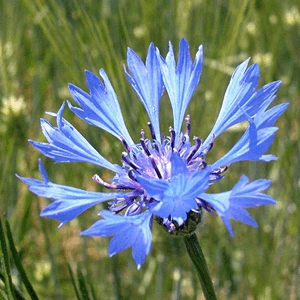
• Cornflower – Stronger flower buds infusions has Anti-Biotic and anti-septic qualities, useful in treating Urinary Tract System Infections.
• Cramp Bark – Cramp Bark can relieve painful urination and decrease the discomfort of Urinary Tract System Infections and bladder Infections.
• Damiana – Damiana is Diuretic and a strong urinary anti-septic (partly due to the constituent arbutin [converted into hydroquinone]) in the urinary tubules. Its leaves and roots tea is a good treatment for patients who have bedwetting issues largely due to Stress. It is an effective aid for bladder problems by easing the bladder problems and urination.
• GOsha-jinki-gan – The herbal concoction (a combination of several different herbs) acts directly on the nerves and muscles in the body to have better control over the muscular contractions of the bladder.
• Ground Elder – Its dried leaves tea is recommended for the treatment of inflammatory states of kidneys and bladder and auxiliary in nephrolithiasis.
• Henbane – Its effective in reducing Urinary Tract System pain and relieving pain that occurs (due to Kidney Stones, muscle spasm and abdominal cramps).
• Horsetail – It has an Astringent effect on the Genitourinary system, proving especially valuable where there is bleeding within the Urinary Tract System (such as in cases of Cystitis, urethritis and Prostate Disease). A combination of its tea and St.John’s wort drunk 2 cups daily and a non-liquid meal in the evening will relieve bedwetting. Its Anti-Inflammatory properties has been used to treat kidney and bladder stones, Urinary Tract System Infections, and incontinence.
• Lady’s Bedstraw – Lady’s Bedstraw is a slightly bitter tasting remedy, used mainly as a Diuretic for Kidney Stones, bladder stones, kidney irritation, and other urinary conditions, including Cystitis.
• Notopterygium Root – Notopterygium Root is relatively warm, with a spicy and bitter taste, thus offering certain therapeutic effect on the pathological changes of the bladder and kidney meridians. Its helpful in the treatment of Enuresis, frequent urination, knee cold and pain, Asthma caused by kidney deficiency.
• Oregon Grape – Oregon Grape contains berberine (an Alkaloid that may prevent UTIs by inhibiting bacteria from adhering to the wall of the urinary bladder).
• Peony Root – Peony Root acts as a Diuretic, helping to eliminate bladder and kidney problems.
• Pygeum – Pygeum bark extract as a preventative measure and a treatment for Urinary Tract System Infections (UTI).
• Saw Palmetto – It help diminish symptoms of urinary incontinence in men and effective against incontinence because it targets the enlarged Prostate gland.
• Stone Root – The whole plant Diuretic property is very useful in urinary conditions by increasing urine flow, expelling the fluid from the body in the form of urine and relieving Water retention, etc.